If you are trying to choose between a townhouse and a condo in Old Town Alexandria, the answer is rarely as simple as “more space” versus “less maintenance.” In this part of Alexandria, your day-to-day experience can also be shaped by historic-district rules, parking realities, association responsibilities, and even flood-related considerations near the waterfront. The good news is that once you understand how these factors work in Old Town, you can make a much more confident choice. Let’s dive in.
Start With Ownership Structure
A condo and a townhouse can feel very different, but the biggest difference often starts with how ownership is defined.
In Virginia, a condominium usually means you own an individual unit within a multi-unit structure, along with an interest in the common elements. The unit owners’ association is generally responsible for maintaining, repairing, and replacing common elements, while you are usually responsible for the interior of your unit unless a problem starts in the common elements.
A townhouse in Alexandria is defined by its building form. It is a series of three or more attached homes separated by vertical walls, with each built on its own lot. That can create a more house-like feel, but the actual maintenance duties and shared responsibilities still depend on the recorded declaration and governing documents for that community.
Condo Living in Old Town
For many buyers, the biggest draw of condo living is simplicity. If you want less hands-on responsibility for exterior upkeep, a condo may feel like the easier fit.
Monthly condo fees typically help fund common-element maintenance, reserve funding, and master insurance. In Virginia, condominium associations are also required to carry master casualty and liability policies, which is one reason condo fees can cover more than buyers first expect.
That said, condo living does not always mean giving up outdoor space. In some communities, patios, balconies, porches, or doorsteps may be limited common elements assigned to one unit. You may have use of that space, but the association may still control how it is maintained or changed.
Townhouse Living in Old Town
Townhouses often appeal to buyers who want a home that feels more independent. Because these homes are built on their own lots, they may offer a stronger sense of direct control and a more traditional house-like ownership experience.
In practice, though, townhouse ownership in Old Town is not always completely hands-off or fully unrestricted. Some townhouse communities have dues that cover shared common areas or other services, and those responsibilities are set by the declaration. That means one townhouse community may have very different rules and expenses from another just a few blocks away.
If you like the idea of stepping directly outside, managing more of your own exterior, or having a layout that feels closer to a single-family home, a townhouse may be the better lifestyle match. But in Old Town, you still need to look carefully at the association documents and local regulations before assuming you have total freedom.
Old Town Rules Change the Equation
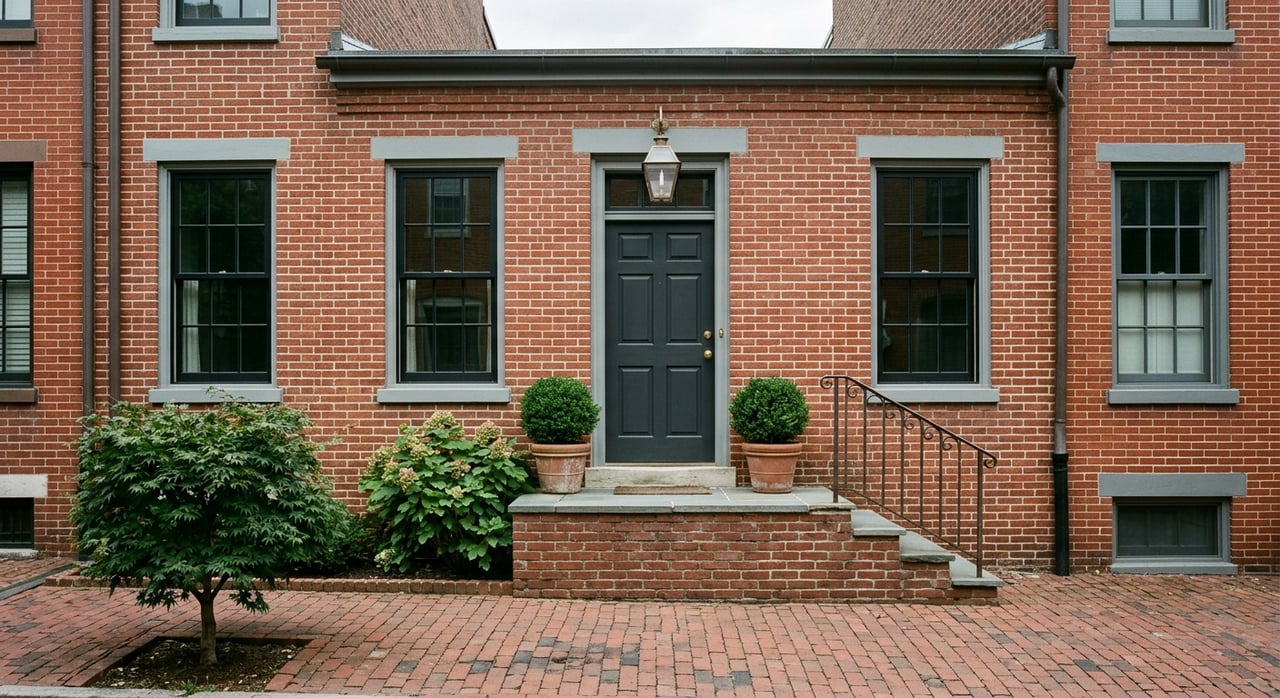
Old Town is not just another neighborhood. Much of it is part of a National Register Historic District, and within the local Old & Historic District, the Board of Architectural Review must approve new construction and exterior changes that are visible from a public way.
This matters whether you buy a condo or a townhouse. If you are dreaming about changing windows, updating a front door, altering a porch, or making other visible exterior updates, your flexibility may be more limited here than in newer neighborhoods.
Old Town’s historic character is a big part of why people love living here. At the same time, older housing stock, older foundations, and preserved architectural features can mean more planning before taking on improvements.
Compare Maintenance and Fees Carefully
A lot of buyers focus on whether condo fees are “too high” or whether an HOA fee is “worth it.” In Old Town, the smarter question is what the fee actually covers.
For a condo, monthly fees often cover common-area upkeep, reserves, and master insurance. For a townhouse, dues might cover landscaping, shared spaces, or other community expenses, but the exact scope can vary widely from one development to another.
Before you decide, ask for a clear breakdown of what you are paying for. You want to know whether dues cover insurance, reserves, trash, parking, landscaping, common-area maintenance, or mainly administrative costs.
A Simple Fee Comparison
| Property type | Fees often cover | What you should verify |
|---|---|---|
| Condo | Common elements, reserves, master insurance | Unit boundaries, outdoor-space rights, parking, special rules |
| Townhouse | Shared areas and services, depending on declaration | Exterior duties, lot responsibilities, insurance, shared-cost obligations |
Parking Can Affect Daily Life
Parking is one of the most practical issues in Old Town, and it can quickly shape how convenient a property feels.
The City of Alexandria notes that on-street parking in Old Town may be metered or time-limited. Some residential blocks use residential pay-by-phone rules, and vehicles without a district parking permit or guest permit can be charged $3.00 per hour on those blocks. Public-street parking is also generally limited to 72 consecutive hours.
That means you should not assume a townhouse automatically comes with easy parking or that a condo necessarily solves the issue. Ask whether parking is deeded, assigned, permit-based, or simply first-come, first-served.
Outdoor Space Is Not Always What It Seems
Outdoor space can look straightforward in a listing, but in Old Town it is worth digging deeper.
With a condo, a patio or balcony may be a limited common element rather than fully separate private property. You may enjoy exclusive use of it, but changes and maintenance may still be governed by the association.
With a townhouse, outdoor space may feel more private because the home sits on its own lot. Even so, if exterior features are visible from a public way and the property is in a regulated historic area, changes may still require approval.
Flood Considerations Matter in Old Town
If you are looking near the waterfront or other lower-lying areas, flood exposure should be part of your decision.
Alexandria’s current flood maps became effective on January 11, 2024, and the city notes that flood risk can change over time. The city is also advancing waterfront flood-mitigation work, which makes it especially important to understand how a specific property is affected.
This is not only a condo issue or a townhouse issue. It is an Old Town location issue. Before you buy, confirm whether the home is in a FEMA flood zone or in an area affected by city flood-mitigation projects.
Which Option Fits Your Lifestyle?
If you want lower day-to-day exterior responsibility, condo living may be the better fit. This can be especially appealing if you travel often, want a lock-and-leave setup, or prefer that an association handle more shared maintenance.
If you want a more house-like feel, direct entry, and potentially more control over your home and lot, a townhouse may be more your style. Many buyers are drawn to that balance of attached living with a stronger sense of individual ownership.
In Old Town, though, the best choice usually comes down to four things: how much maintenance you want to manage, how comfortable you are with parking constraints, how much exterior control matters to you, and whether the property’s flood exposure fits your comfort level.
Questions to Ask Before You Buy
Before you choose a condo or townhouse in Old Town, make sure you review the details that will affect your everyday life.
Here are some smart questions to ask:
- What does the monthly fee actually cover?
- Is outdoor space deeded, limited common element, or common area?
- Is parking assigned, deeded, permit-based, or not guaranteed?
- Is the property in the Old & Historic District or another locally regulated historic area?
- Would exterior changes need Board of Architectural Review approval?
- Have you reviewed the declaration and resale disclosure materials?
- Is the property in a FEMA flood zone or near flood-mitigation work?
A well-informed decision usually comes from matching the documents to your lifestyle, not just the photos or floor plan.
Old Town offers a rare mix of history, walkability, and architectural charm, and both condos and townhouses can be wonderful options here. The key is knowing what kind of ownership experience you want and understanding how Old Town’s rules and realities shape that experience. If you want help comparing specific properties, community documents, or block-by-block tradeoffs, Christine Garner - Main Site can help you sort through the details with the kind of local perspective that only comes from years of working in Old Town.
FAQs
What is the main difference between condo and townhouse ownership in Old Town?
- In Old Town, a condo usually means owning an individual unit plus an interest in shared common elements, while a townhouse is an attached home on its own lot, with responsibilities shaped by its governing documents.
Do condo fees in Old Town usually cover more than townhouse HOA fees?
- Condo fees often cover common-element upkeep, reserve funding, and master insurance, while townhouse dues may cover shared areas or services depending on the declaration, so you need to compare each property’s actual coverage.
Can you make exterior changes to a townhouse in Old Town Alexandria?
- If the townhouse is in the local Old & Historic District and the exterior change is visible from a public way, Board of Architectural Review approval may be required.
Does a condo in Old Town ever include private outdoor space?
- A condo can include outdoor areas such as a patio or balcony, but that space may be a limited common element rather than fully separate private property.
How important is parking when buying in Old Town Alexandria?
- Parking is very important because Old Town includes metered and time-limited streets, some residential pay-by-phone blocks, and permit-related restrictions, so you should confirm exactly what parking comes with a property.
Should flood risk affect your choice between a condo and townhouse in Old Town?
- Yes, especially near the waterfront, because Alexandria’s flood maps and flood-mitigation work can affect specific properties regardless of whether they are condos or townhouses.
