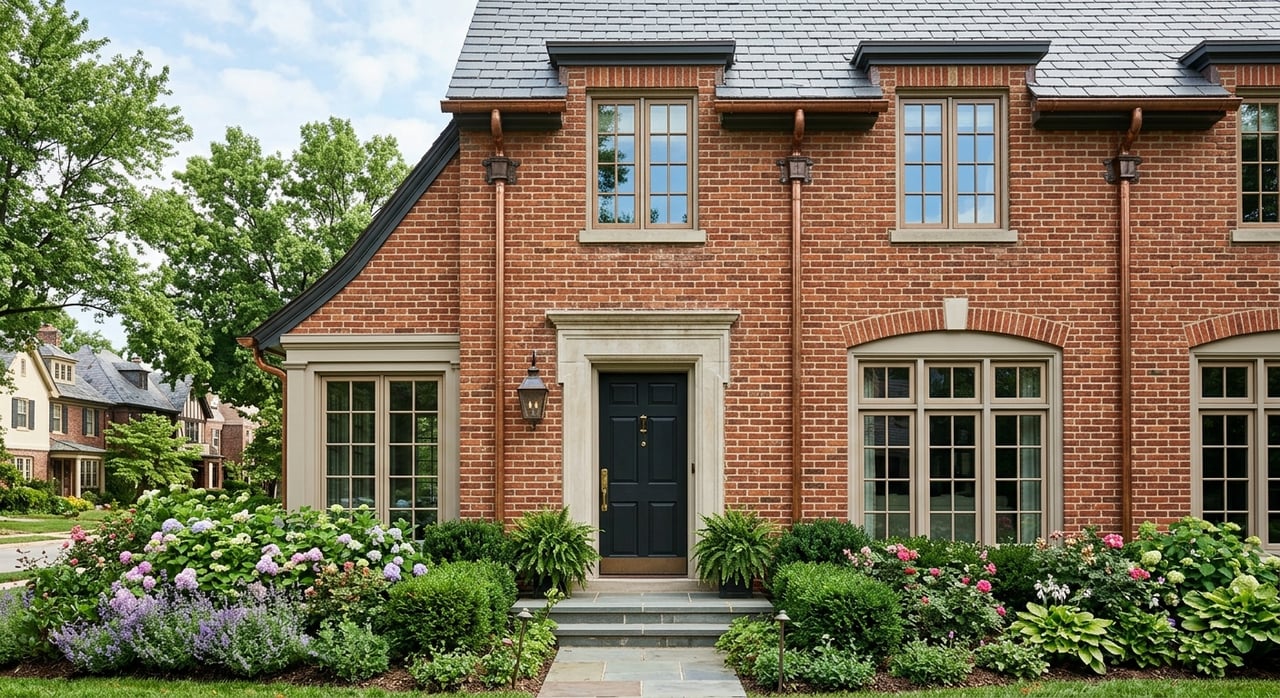
Buying a historic home in Rosemont can feel exciting and a little intimidating at the same time. You may love the charm, the porches, and the architectural details, but still wonder what comes with owning an older property in Alexandria. This guide will help you understand what makes Rosemont unique, what to look for before you buy, and how to plan for updates without losing the character that drew you in. Let’s dive in.
Why Rosemont feels different
Rosemont is an approximately 84-acre National Register Historic District in northwest Alexandria, near Union Station and just northwest of Old Town. Most of its more than 450 residences were built between 1908 and 1930, and the neighborhood still reflects its early 20th-century trolley-suburb layout.
That history matters when you shop for a home here. You are not just buying square footage or a lot size. You are buying into a neighborhood with established streetscapes, varied architecture, and a strong sense of continuity from one block to the next.
What historic status means in Rosemont
One of the biggest questions buyers ask is whether Rosemont works like Old Town from a preservation standpoint. In Alexandria, the answer is no. Rosemont is listed on the National Register, but it is not one of the city’s locally regulated historic districts.
That distinction is important because Alexandria’s preservation office states that National Register districts are not regulated by the Historic Preservation department in the same way local historic districts are. BAR review applies to local historic districts and designated 100-year-old buildings, so Rosemont buyers generally do not face the same routine exterior review process that is common in Old and Historic Alexandria.
That said, historic status does not mean no rules at all. Standard city permits and zoning reviews can still apply for many projects, including alterations, renovations, additions, demolitions, porches, sheds, fences, and garages.
What homes look like in Rosemont
Rosemont is more varied than many buyers expect. The district includes Craftsman and Arts and Crafts homes, Colonial Revival houses, bungalows, cottages, four-squares, and homesteads. There are also later rowhouses and small garden-apartment buildings, especially along Commonwealth Avenue.
This variety means you should expect block-to-block differences. One street may have deep-porch cottages and bungalows, while another shows more formal symmetry and Colonial Revival details.
Craftsman features to notice
Many Rosemont buyers are drawn to Craftsman-style homes. Common visual cues include:
- Low-pitched roofs
- Wide eaves
- Exposed rafter tails or brackets
- Deep front porches
These details often give the house its warmth and personality. If they have been covered, enclosed, or replaced over time, it is worth looking closely to understand what may still be intact underneath.
Colonial Revival details to spot
Colonial Revival homes show a different design language. You may notice:
- Symmetrical front facades
- Gable or hipped roofs
- Columns or pilasters
- Fanlights or sidelights
- More pronounced front entrances
Knowing these style cues can help you tell the difference between original character and later alterations. That can be especially useful when you compare homes that have been renovated in very different ways.
What to inspect first in an older home
In a historic home, charm should never distract you from basic building performance. The first priority is usually water management. A weather-tight roof is essential, and moisture problems can lead to damage in wood, masonry, plaster, and paint.
As you evaluate a Rosemont home, pay close attention to the roof, attic, gutters, downspouts, and basement or crawlspace. Warning signs can include poor flashing, clogged gutters, rotted wood, spalled masonry, and condensation.
Windows deserve a closer look
Original windows are often a major part of a historic home’s character. They are also one of the most misunderstood parts of an older house. Condition matters, but age alone does not mean they need to be replaced.
During inspections, look at paint condition, sash movement, signs of air leaks, and overall repair needs. Historic wooden windows can often be repaired and weatherized, which may help you preserve both appearance and function.
Masonry is not just cosmetic
Brick and mortar can tell you a lot about an older home’s condition. Cracking, inappropriate repairs, or failing mortar can point to deferred maintenance or repairs that may need a more careful approach.
For historic masonry, matching the old mortar in strength, composition, color, and texture matters. If a home has had past repointing work, it is wise to ask questions about how that work was done.
Health and renovation issues to plan for
Because most Rosemont homes date from 1908 to 1930, buyers should plan for the realities of older materials. Lead-based paint is one of the biggest items to understand before you close and before you remodel.
For pre-1978 housing, the EPA advises assuming lead-based paint may be present unless testing shows otherwise. Buyers of pre-1978 homes are entitled to lead disclosures and the option of an independent lead inspection.
That does not mean every home has a lead hazard. It does mean you should budget for testing and lead-safe renovation practices if you plan to sand, scrape, open walls, or make cosmetic changes.
Asbestos is another issue to handle carefully. Testing is generally advised when suspect materials are damaged or when a renovation will disturb them.
How to think about renovations
A good Rosemont purchase is not just about what the home looks like today. It is also about what you may want to do over time. If updates are part of your plan, it helps to think in terms of preserving character while improving comfort and function.
Preservation guidance generally favors retaining the existing form, features, and materials of a historic property. In practical terms, that often means repairing original materials where possible, replacing in kind when necessary, and keeping additions visually secondary to the original house.
Look carefully at past alterations
Rosemont’s district records note decades of changes such as additions, dormers, porch enclosures, and synthetic siding. That means some homes may have original trim, clapboards, or window details hidden beneath later materials.
Virginia’s Department of Historic Resources cautions that aluminum or vinyl siding is not recommended for historic buildings because it can hide features and trap moisture. When you tour a home, look beyond the surface to ask what may have been covered or changed over time.
Energy efficiency can be thoughtful
Many buyers worry that preserving character means giving up comfort. In reality, historic homes can often be upgraded in sensitive ways. Historic windows may be improved with storm windows, caulking, weatherstripping, and glazing repairs before replacement is considered.
Mechanical, electrical, and plumbing systems can also be upgraded in a way that respects the home’s character. If comfort and efficiency are priorities for you, it helps to evaluate what has already been improved and what may still need attention.
What permits may still apply
Even though Rosemont is not generally under BAR exterior review like Old Town, city approvals still matter. Alexandria requires permits for most alterations, renovations, additions, and demolitions.
Zoning and building review may also come into play for additions, enclosed porches, sheds, fences, and garages. A screened-in or enclosed porch is treated like a walled addition for zoning purposes, which can affect your future plans.
If you are buying with the idea of expanding later, this is worth discussing early. It can shape how you compare lots, setbacks, and the long-term flexibility of one property versus another.
A smart buying approach in Rosemont
Historic-home buying works best when you balance emotion with a clear process. It is easy to fall for original millwork or a welcoming front porch, but a smart purchase also looks at maintenance history, renovation quality, and future project costs.
A practical approach often includes:
- Reviewing the home’s age and major systems carefully
- Prioritizing roof and moisture-related inspection items
- Looking closely at windows, masonry, and porch conditions
- Planning ahead for lead-safe renovation practices
- Asking what permits may be needed for future changes
- Distinguishing original features from later alterations
In Rosemont, that balance matters. You want to protect the character that makes the neighborhood special while making sure the home fits your life today.
Why local guidance matters
When you buy a historic home in Alexandria, neighborhood-specific knowledge can make the process smoother. Rosemont has its own rhythm, housing mix, and preservation context, and those details affect how you evaluate condition, renovation potential, and long-term value.
Christine Garner brings the kind of hyper-local perspective that helps buyers ask better questions from the start. With decades of Alexandria experience and deep familiarity with historic homes and nearby neighborhoods, she helps you look past the surface and focus on the details that matter most.
If you are considering a historic home in Rosemont, a thoughtful plan can help you move forward with confidence. To talk through the neighborhood, the housing stock, and what to watch for before you buy, connect with Christine Garner - Main Site.
FAQs
Is Rosemont Alexandria regulated like Old Town Alexandria?
- No. Rosemont is a National Register Historic District and is generally not subject to the same BAR exterior review process that applies in Alexandria’s local historic districts.
What house styles are common in Rosemont Alexandria?
- Rosemont includes Craftsman and Arts and Crafts homes, Colonial Revival houses, bungalows, cottages, four-squares, homesteads, later rowhouses, and some small garden-apartment buildings.
What should buyers inspect first in a Rosemont historic home?
- Start with water management, including the roof, attic, gutters, downspouts, flashing, and any basement or crawlspace moisture concerns.
Should buyers replace original windows in a Rosemont home right away?
- Not necessarily. Historic wooden windows can often be repaired and weatherized, so replacement is not always the first or best step.
Do Rosemont Alexandria buyers need to plan for lead paint testing?
- Yes. Because most Rosemont homes were built between 1908 and 1930, buyers should plan for lead disclosures, consider independent testing, and budget for lead-safe renovation practices if work will disturb painted surfaces.
Can you add onto a historic home in Rosemont Alexandria later?
- Often yes, but standard Alexandria zoning review and building permits may still apply for additions, enclosed porches, sheds, fences, garages, and similar projects.
