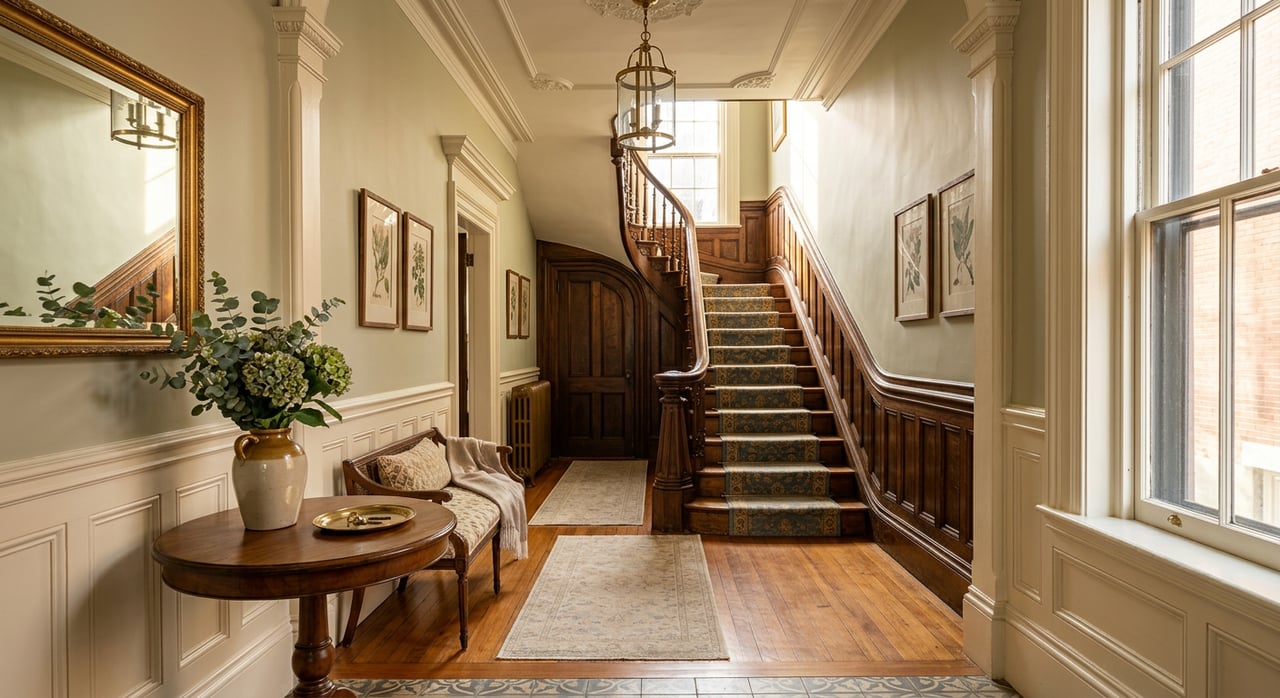
Thinking about selling your historic Old Town home but not sure how to prep it for today’s buyers without risking a permit headache or losing character? You are not alone. Old Town’s charm is a big draw, yet the rules and repair priorities can feel complex when you are 6 to 12 months out from listing. In this guide, you will learn how to protect your home’s architectural features, tackle the fixes that matter most to buyers and lenders, and move through local approvals with confidence. Let’s dive in.
Know your historic rules
If your property sits inside the Old & Historic Alexandria District, the City’s Board of Architectural Review oversees exterior changes that are visible from a public street or alley. You need a Certificate of Appropriateness before starting most visible exterior work. The BAR typically holds public hearings on the first and third Wednesday of each month, and complete applications are due at least 30 days before a hearing. Many modest items qualify for faster administrative staff approval, so contact Preservation staff early to confirm the right path for your project.
What usually needs approval
- Street-facing window and door changes
- Visible roof material changes or additions
- New or altered porches, and street-facing fences or gates
- Changes to masonry appearance, including painting previously unpainted brick in many cases
- Visible solar panels, EV charging hardware, or rooftop equipment
- Rooftop additions or alterations visible from the public right of way
Starting permit discussions early helps you avoid delays, stop-work orders, or costly re-dos.
Set priorities buyers notice
A smart prep plan balances preservation with market readiness. Focus first on what affects safety, moisture, and confidence.
- Safety first. Fix roof leaks, failing porches or steps, major electrical hazards, and missing smoke and carbon monoxide detectors. Lenders and buyers often require these items to be addressed before closing.
- Keep it dry. Make sure gutters and downspouts work, flashing is sound, and water drains away from the foundation. Repair mortar on chimneys and brick as needed, following guidance that matches mortar composition and joint profiles. Moisture issues can be a top reason deals stall.
- Celebrate character. Buyers of historic homes prize original windows, mantels, moldings, and stair details. Favor repair over replacement where feasible. Cost-effective weatherization like storm windows, reglazing, weatherstripping, and insulated shades can boost comfort while keeping original sash.
- Boost curb appeal within the rules. A clean walk, tidy landscaping, refreshed front door paint or hardware, clear house numbers, and warm lighting go a long way. Check with preservation staff before making visible exterior changes, especially if paint would alter the look of previously unpainted masonry.
- Disclose early. If your home was built before 1978, prepare the required federal lead paint disclosure and the EPA/HUD pamphlet. Be ready to share known structural issues and flood risk. New FEMA Flood Insurance Rate Maps for Alexandria became effective January 11, 2024. You can look up your parcel on the City’s flood map tool.
Your 6–12 month plan
Use this step-by-step sequence to structure your pre-list timeline.
Weeks 0–8: Assess and stabilize
- Order a pre-listing inspection from an inspector experienced with older homes. This helps you spot loan-killing hazards early and craft accurate disclosures.
- Address urgent safety issues first, including active water intrusion, loose or unsafe steps and railings, major electrical hazards, and failing heating components.
- Confirm whether your property is inside the Old & Historic Alexandria District. Ask Preservation staff about your home’s prior Certificates of Appropriateness so you can compile a clear records packet for buyers.
Months 1–3: Handle moisture and envelope
- Improve water management: clean and repair gutters and downspouts, correct grading, fix chimney flashing, and remediate dampness or mold in basements.
- For masonry, follow preservation best practices when repointing. Avoid abrasive cleaning or incompatible high-strength mortars.
- Evaluate windows and doors. Tighten sash, reglaze, add weatherstripping, and consider interior or exterior storm windows to lift comfort and efficiency while keeping original materials.
- For homes built before 1978, gather any existing lead reports and prepare to deliver required lead disclosures at contract time. Buyers can request testing.
Months 2–6: Systems and appeal
- Service or replace HVAC if it is near end of life. Provide maintenance records and warranties. Consider reversible solutions, such as mini-split heat pumps, that minimize impact on historic fabric.
- If you see signs of settlement or notable cracking, consult a structural engineer now to avoid later renegotiation or appraisal delays.
- Refresh curb appeal with gentle exterior cleaning, tidy beds, and front door touch-ups. Confirm with preservation staff if a visible color or material change is planned.
4–12 weeks pre-market: Present and document
- Stage for character and function. Highlight fireplaces, moldings, and stair details while keeping paint and decor neutral so buyers can imagine modern living.
- If any visible exterior work is planned, submit COA applications as soon as possible. A complete packet must be filed at least 30 days before a public hearing. Administrative approvals can often be processed in days, but plan for hearing schedules when timing is tight.
- Create a documentation packet for buyers that includes inspections, receipts, warranties, any COAs or permits, and brief historic notes. Transparency builds confidence and supports appraisal.
Preserve vs. replace: smart choices
Windows
Repair is usually the first and best option. Combine repair with storm windows, improved seals, and interior weatherstripping for comfort and efficiency that respects historic character. If replacement is truly necessary, match material, muntin patterns, and sightlines, and confirm BAR requirements for street-facing elevations.
Masonry and paint
Use compatible mortar when repointing and avoid abrasive cleaning that can damage brick. Painting previously unpainted historic brick is discouraged in many cases and may require BAR review. Keep contractor notes and photos of methods and mortar mixes, and include them in your buyer packet.
Porches and details
Original porch columns, decking, and trim contribute heavily to Old Town curb appeal. Prioritize repair in kind and selective replacement with matching materials. Document the work with before and after photos.
Roofs and solar
Preserve slate or tile where feasible. If a visible material change is unavoidable, select sympathetic materials and confirm BAR requirements. For solar, explore low-profile siting on rear slopes or flat roofs and involve preservation staff early.
Incentives and money matters
- Federal historic rehabilitation tax credits apply to income-producing certified rehabilitations, not typical owner-occupied single-family sales. If you are exploring a certified project, contact National Park Service Technical Preservation Services and the State Historic Preservation Office before starting work.
- Virginia’s Department of Historic Resources runs a state historic rehabilitation tax credit program with its own eligibility and documentation rules. Confirm requirements with DHR early if you plan to pursue credits.
- Ask City preservation staff about any local incentives, stormwater or flood programs, and utility rebates that may help with energy or resilience upgrades.
Be ready for buyer questions
Anticipate what today’s buyers will ask and prepare clear, written answers.
- Is it in a historic district and what does that mean? Provide a short note on BAR jurisdiction and what kinds of exterior work require a COA. Include any prior COAs for your property.
- Are there lead paint risks? If built before 1978, disclose known information and provide the required EPA/HUD pamphlet at contract time. Buyers may elect to test.
- Does it flood? Reference the City’s parcel-level resources and FEMA’s effective maps dated January 11, 2024. Share any elevation certificates or prior insurance claims if available.
- What historic work was done and was it permitted? Include COA approvals, building permits, contractor receipts, and photos.
Example timeline at a glance
- 6 to 12 months: Consult preservation staff about exterior plans, schedule major work like roof or masonry repairs, and begin any needed COA submissions. If you are considering tax credits for an income-producing project, start those discussions now.
- 3 to 6 months: Complete systems work such as HVAC or electrical updates, address lead disclosures, order a pre-list inspection, and make key staging decisions.
- 4 to 8 weeks: Final staging and professional photography, confirm all COAs and permits were issued, and assemble your disclosure and documentation packet.
Work with a local advocate
Selling a historic Old Town property is as much about stewardship as it is about marketing. You want a partner who understands BAR processes, can help you prioritize high-impact repairs, and knows how to tell your home’s story to qualified buyers. As a lifelong Alexandrian with decades of successful listings, repeated Washingtonian Top 100 recognition, and Weichert Hall of Fame standing, Christine brings the local relationships and high-touch process that premium results require. If selling is on your horizon, connect early to map your plan and avoid last-minute surprises.
Ready to start? Contact Christine Garner - Main Site for a 6 to 12 month prep consult tailored to your home and goals. Call Christine — Talk with an Old Town neighborhood expert.
FAQs
What exterior updates usually need approval in Old Town?
- Street-visible work like front-facing windows and doors, porch changes, visible roof material changes, new or altered street-facing fences, masonry alterations including painting previously unpainted brick in many cases, and visible solar or EV equipment typically require a Certificate of Appropriateness.
How can I improve old windows without replacing them?
- Repair sash, reglaze, add weatherstripping, and use interior or exterior storm windows to boost comfort and efficiency while preserving original character, then document the work for buyers.
How far ahead should I apply for a BAR hearing COA?
- File a complete application at least 30 days before the hearing date, and remember the BAR usually meets on the first and third Wednesday each month; many modest items can be approved faster by staff.
Can I paint previously unpainted brick before listing?
- Often discouraged and may require BAR review; confirm with preservation staff before any visible exterior work that could change the masonry’s appearance.
How do I check my home’s flood risk in Alexandria?
- Use the City’s parcel lookup on the flood map tool and reference the FEMA maps effective January 11, 2024; disclose any known flood history and provide documentation if available.
