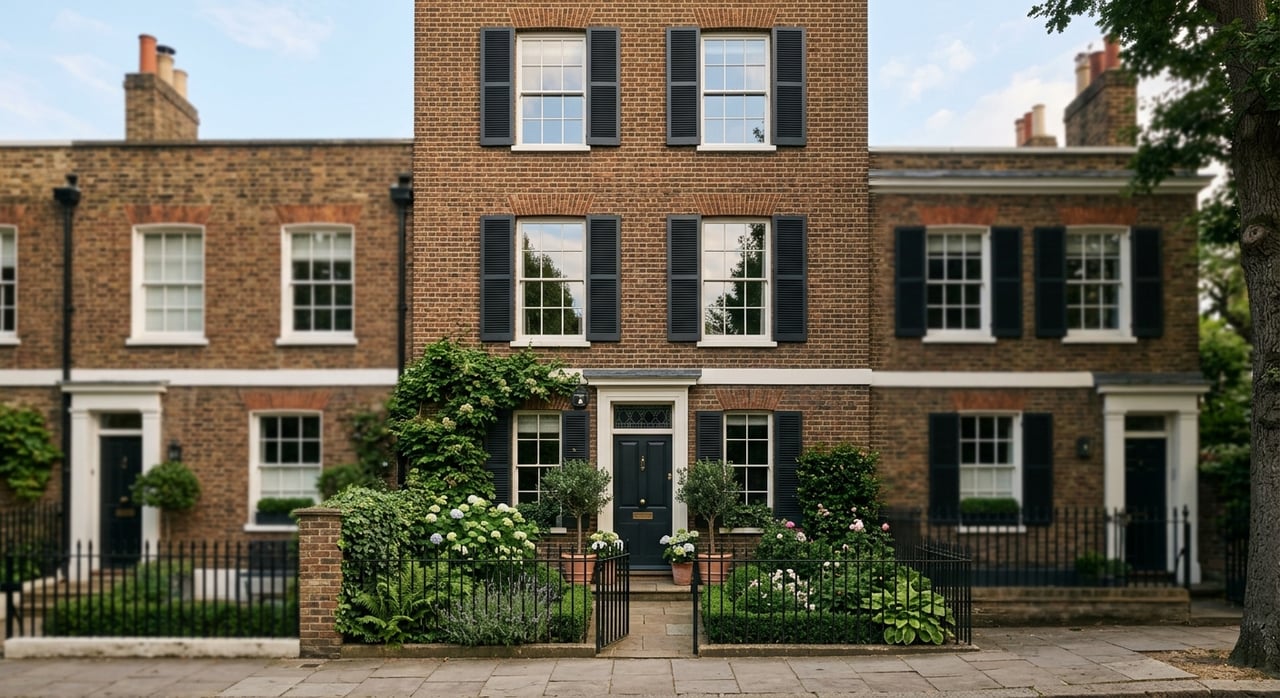
If you are thinking about selling in Old Town, timing and preparation can make a real difference. This is a fast-moving, high-value market, but buyers here also notice details, especially in older and historic homes. When you know when to list, how to prepare, and what local rules may affect your plan, you can move forward with more confidence. Let’s dive in.
Why timing matters in Old Town
Old Town is not just another Alexandria neighborhood. Redfin’s May 2026 data shows a median sale price of $1,069,640, median days on market of 14, and a sale-to-list ratio of 101.1%. Nearly half of homes sold above list price, which points to strong demand when a home is positioned well.
That pace stands out even more when you compare it with Alexandria overall. Citywide, the median days on market was 29 and the sale-to-list ratio was 100.5% in the same period. In other words, Old Town has been moving faster than the broader Alexandria market.
Best time to list your home
In many years, the strongest listing window tends to be late March through April. Redfin’s 2026 spring selling guide says homes often sell fastest and for the most money during that period. Realtor.com also identified April 12 through 18, 2026 as a strong national week to sell, while noting that local market conditions still matter.
For Old Town sellers, the practical answer is often simple: list when your home is fully ready. In a neighborhood where curb appeal, condition, and presentation carry weight, a well-prepared home can benefit more than a rushed spring debut. If your exterior needs work, landscaping needs time, or photos are not ready, it may be smarter to wait until the home truly shows its best.
What “ready” really means
A photo-ready home is usually clean, bright, repaired, and thoughtfully presented. Redfin notes that buyers tend to notice condition, cleanliness, and layout first. That makes pre-listing prep especially important in Old Town, where many buyers are comparing charm, function, and finish all at once.
A ready home also has the paperwork and planning behind it. If your property may fall within a local historic district, or if you are considering visible exterior updates, those details should be checked early. The goal is to avoid last-minute delays right when you want to go live.
Start with historic district rules
Much of Old Town is part of a National Register Historic District, but local regulation is more specific. The City of Alexandria notes that only the Old and Historic Alexandria and Parker-Gray districts are local historic districts regulated through the Board of Architectural Review, often called BAR. That means you should verify whether your address is actually in a regulated area before starting exterior work.
This matters because visible exterior changes may need approval. Alexandria states that if exterior work is visible from a public right of way, a Certificate of Appropriateness is required. BAR hearings are held on the first and third Wednesday of each month except August, applications must be complete at least 30 days before the hearing, and some smaller projects can be approved administratively in under five business days.
Plan exterior updates early
Old Town sellers sometimes assume small exterior changes can be handled quickly. In reality, windows, shutters, doors, roofing, masonry, siding, trim, fences, walls, stoops, railings, awnings, skylights, solar systems, and chimneys may all fall under Alexandria’s preservation guidance. Even minor-looking updates should be checked before work begins.
Windows deserve special attention. Alexandria treats windows as principal character-defining features and encourages repair rather than replacement. The city also says vinyl windows are not appropriate in the historic district, and replacement materials must match the style and period of the building.
Focus on repairs that buyers notice
Once you understand any preservation requirements, turn to the items buyers will see and feel right away. Redfin recommends decluttering, making repairs, improving lighting, painting, landscaping, and using professional photography and staging. In a premium market like Old Town, those basics often help your home compete without distracting buyers.
Start with the most visible issues first. Peeling paint, worn hardware, dim rooms, tired landscaping, and deferred maintenance can weaken a strong first impression. Buyers may love original character, but they still want a home that feels cared for.
Why staging can help
Staging can be especially useful when you want buyers to picture how an older home lives today. According to the 2025 staging survey from NAR, 83% of buyers’ agents said staging made it easier for buyers to visualize the property as a future home. The same survey found that 49% of sellers’ agents said staging reduced time on market.
The most commonly staged rooms were the living room, primary bedroom, dining room, and kitchen. If you do not want to stage every room, those spaces are often a smart place to start. In Old Town, where many homes have architectural personality, staging can help balance charm with everyday function.
Price for the market you have
Strong demand does not mean every list price works. Old Town’s 101.1% sale-to-list ratio and 49.4% share of homes selling above list price show that well-priced homes can perform very well. At the same time, 14.1% of homes had price drops, which is a reminder that overpricing can still slow momentum.
The first days on market matter. In a very competitive area, buyers are quick to respond when a home feels well matched to current demand. Pricing too high can reduce early interest, limit urgency, and put you in the position of chasing the market instead of leading it.
Know your buyer pool
Old Town draws a mix of local and commuter-oriented buyers. Redfin reports that 79% of buyers searched to stay within the metropolitan area in late 2025, and Old Town has a Walk Score of 84, Transit Score of 52, and Bike Score of 81. That suggests many buyers are looking closely at convenience, access, and lifestyle fit within the region.
For sellers, that means your marketing should highlight the home’s real strengths clearly and accurately. Features like condition, layout, outdoor space, updates, and ease of access often matter to buyers comparing options within the metro area. A thoughtful presentation helps the right buyers see the value quickly.
Do not overlook disclosures
Virginia sellers should also prepare for disclosures early. The Virginia Residential Property Disclosure Statement specifically tells buyers to review local historic-district ordinances and special flood hazard areas for the property. It also directs buyers to do their own due diligence on lot lines, adjacent parcels, and other property-specific issues.
A practical step is to gather relevant documents before listing. If you have records related to historic approvals, exterior improvements, surveys, or other property details, organizing them early can make the process smoother. It also helps you answer common buyer questions more efficiently.
If your home was built before 1978
Many older homes require one more layer of planning. For homes built before 1978, EPA rules require disclosure of known lead-based paint information before sale. If you are doing renovation, repair, or painting work that disturbs painted surfaces before listing, lead-safe certified contractors and trained workers may be required.
This is especially important if you are trying to freshen up an older property before putting it on the market. A quick cosmetic project can have different requirements than sellers expect. Planning ahead helps you avoid delays and make informed decisions.
A simple Old Town listing checklist
Before you choose a list date, it helps to work through a short checklist:
- Verify whether your property is in a local historic district
- Confirm whether planned exterior updates need BAR approval
- Check whether your home triggers pre-1978 lead disclosure or lead-safe work rules
- Finish repairs, cleaning, and landscaping before photos
- Consider staging key rooms such as the living room, primary bedroom, dining room, and kitchen
- Use professional photography once the home is fully ready
- Price with current Old Town market conditions in mind
- Gather documents that may support disclosures and buyer due diligence
The bottom line on when and how to list
The best time to list your Old Town Alexandria home is usually when seasonal demand and full preparation line up. Late March and April are often strong windows, but a rushed listing can miss value if your home is not fully ready or if local approvals are still pending. In a market this active, thoughtful preparation can protect your timeline and strengthen your result.
Old Town rewards precision. From pricing and staging to preservation rules and disclosures, small details can shape how quickly your home sells and how strongly it performs. When you approach the process with a clear plan, you put yourself in a much better position from day one.
If you are thinking about selling and want local guidance rooted in decades of Old Town experience, connect with Christine Garner - Main Site for a high-touch, neighborhood-first conversation about your next move.
FAQs
When is the best month to list a home in Old Town Alexandria?
- Late March through April is often a strong window, but the best time to list is when your home is completely prepared, well presented, and ready for professional marketing.
Do historic district rules affect selling a home in Old Town Alexandria?
- Yes, they can. You should verify whether your property is in a locally regulated historic district because visible exterior work may require review or approval from Alexandria’s preservation process.
Do I need BAR approval before listing my Old Town home?
- Not for listing itself, but you may need approval before completing certain exterior updates that are visible from a public right of way.
How important is staging when selling an Old Town house?
- Staging can help buyers picture the home more easily, and survey data shows it may reduce time on market. It is often most useful in the living room, primary bedroom, dining room, and kitchen.
Should I price high since Old Town homes often sell above list price?
- Not necessarily. Old Town has strong pricing power, but price drops still happen, so accurate pricing from the start is usually better than testing an inflated number.
What disclosures matter for an older Old Town home?
- Sellers should be prepared for Virginia property disclosures, review whether historic-district or flood-related information applies, and provide known lead-based paint information if the home was built before 1978.
